For more than a decade, technology has shaped the creative world. AI image generators, algorithmic design tools, and digital platforms have produced visuals that are faster, cleaner, and technically flawless. But in 2026, a fascinating cultural shift is unfolding, and collectors and artists are moving away from digital perfection and rediscovering the beauty of the human hand.
The contemporary art market is experiencing what many critics describe as a post-digital renaissance, a return to works that feel raw, tactile, emotional, and unmistakably human. Instead of flawless pixels, collectors increasingly want visible brushstrokes, handmade textures, and imperfect forms that reveal the artist’s process.
This shift isn’t nostalgia. It’s a reaction to a world saturated with algorithmic images.
The Backlash Against AI Perfection
Artificial intelligence has changed the way art is produced. Tools can generate thousands of images in seconds, replicate styles, and create compositions that look technically polished. Yet that same efficiency has triggered a cultural counter-movement.
As Prominent Painting discusses, many collectors now believe that AI-generated imagery lacks the emotional unpredictability that defines human creativity. As a result, art buyers are seeking pieces that highlight imperfections, spontaneity, and process rather than polished digital aesthetics.
This reaction is happening across multiple creative industries, from illustration and graphic design to contemporary painting. Experts increasingly describe the shift as “anti-AI crafting”, where artists intentionally emphasize handmade techniques and analog materials to distinguish their work from machine-generated visuals.
The logic is simple:
- AI can produce perfect images.
- Humans produce meaningful mistakes.
And in 2026, those mistakes have become valuable.

The Rise of Naïve and Raw Art
One of the most surprising movements gaining traction is the resurgence of naïve art, a style that appears intentionally childlike, simple, or unpolished, as said in Maddox Gallery.
Instead of academic precision or technical realism, naïve art embraces:
- distorted proportions
- simplified shapes
- bold color palettes
- spontaneous brushwork
The aesthetic may look effortless or even amateurish, but that is precisely its appeal.
In an era dominated by polished digital images, naïve art feels refreshingly authentic. Its visible imperfections signal that a real human created it, not an algorithm.
Art historians note that this aesthetic has evolved from its folk art roots into a major contemporary trend, resonating strongly with collectors who want art that feels emotionally immediate and visually distinctive.
Robert Nava and the Power of Imperfection
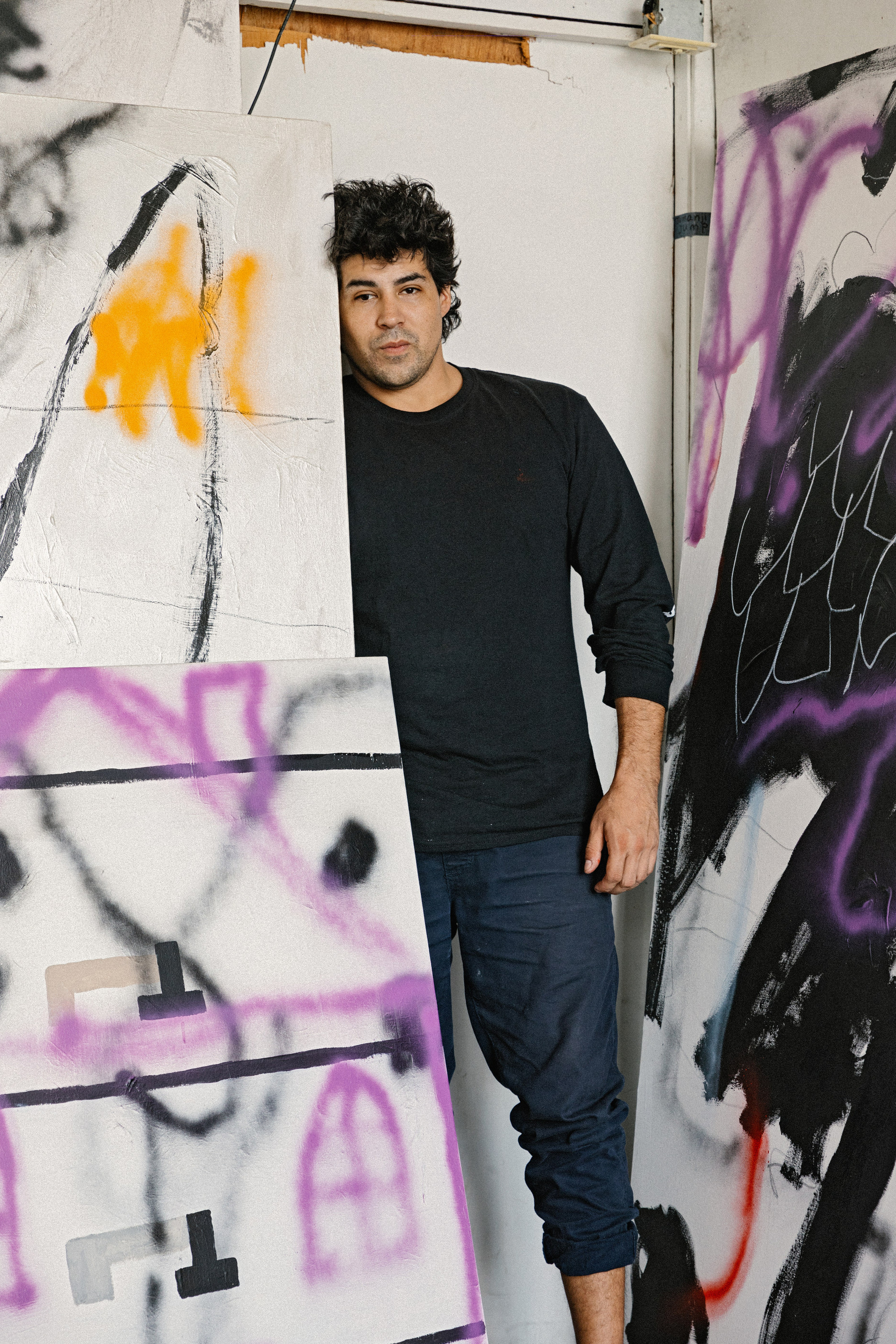
Few artists illustrate this shift better than Robert Nava, whose paintings feature expressive creatures, mythological figures, and bold lines that often resemble drawings made by children.
At first glance, his work appears simple. But collectors and critics recognize that the apparent simplicity is deliberate.
Nava uses materials like acrylic, spray paint, and grease pencil to create raw, energetic compositions filled with sharks, angels, clowns, and fantastical beasts.
His style embodies several traits collectors now crave:
- visible artistic process
- spontaneous mark-making
- emotional intensity
- unconventional imagery
In a world flooded with algorithmically generated visuals, Nava’s paintings feel alive and unpredictable.
This unpredictability is part of why distorted portraiture and expressive surrealism are gaining momentum among high-net-worth collectors.
Why Tactility Matters More Than Ever
Beyond style, the biggest shift in 2026 involves materiality, the physical presence of art. Collectors increasingly seek works that highlight the tactile experience of making.
Popular materials include:
Hand-stitched textiles
Artists are using embroidery, fiber art, and weaving techniques that require hours or days of manual labor.
Raw ceramics
Hand-formed pottery and sculptural ceramics emphasize texture, weight, and irregular shapes.
Layered paint and heavy impasto
Thick paint surfaces create depth and physical dimension impossible to replicate digitally.
Mixed materials
Artists combine fabric, clay, paper, wood, and found objects to produce works that feel sculptural and handmade.
These materials emphasize something digital images cannot replicate: the sensory experience of physical art.
Collectors increasingly want art they can see, feel, and experience in real space.
Scarcity and the Value of Handmade Art
Another reason traditional media are gaining popularity is the scarcity of alternatives.
Digital art can be reproduced infinitely, but handmade art is inherently limited.
Every brushstroke, stitch, or ceramic mark is unique. That uniqueness gives physical artworks a kind of authenticity that collectors value as a long-term investment.
As Katie Mitchelle stated, traditional artworks are also less volatile in market perception than purely digital formats, which often fluctuate with technological trends.
As a result, collectors increasingly view handmade pieces as cultural artifacts rather than digital assets.
The Psychology Behind the Human Touch
Beyond economics, the appeal of handmade art is deeply psychological.
In an era defined by automation, people crave evidence of human effort.
Visible imperfections communicate:
- authenticity
- vulnerability
- individuality
- narrative
When viewers see rough lines or uneven textures, they are witnessing the artist’s decision-making process in real time.
This emotional connection is something AI-generated art struggles to replicate.
Collectors are not just buying an image; they are buying the trace of a human presence.

The Hybrid Future: AI and Handmade Art
Despite the backlash, AI is not disappearing from the art world.
Instead, the future is becoming hybrid.
Many artists now combine digital tools with traditional materials. AI may assist with conceptual development, composition experiments, or reference generation, while the final artwork is produced by hand.
This hybrid model reflects a broader truth:
Technology changes how art is made, but it rarely replaces the human desire for authentic expression.
The Post-Digital Art Renaissance
The art world in 2026 is experiencing something paradoxical.
Technology has never been more powerful, yet collectors are increasingly drawn to works that feel ancient, handmade, and imperfect.
This shift signals a bigger cultural change.
In a world dominated by algorithms, data, and digital images, the most radical thing an artist can do might be to create something messy, tactile, and undeniably human.
The future of art may include artificial intelligence.