For decades, the art market revolved around a simple format: paintings that hang on walls. But in 2026, a major shift is reshaping how collectors, curators, and galleries think about contemporary art.
Instead of artworks that occupy a small section of a room, many artists are now creating works that define the entire space.
Large-scale installations, sculptural environments, and nature-inspired artworks are transforming galleries into immersive experiences. At major events like Miami Art Week and Art Basel, collectors are increasingly drawn to pieces that function less like decoration and more like architectural environments.
The result is a growing market for immersive-scale artworks designed not simply to be viewed, but to be physically experienced.
Why the Market Is Moving Beyond the Frame
Several forces are pushing the art world toward immersive formats.
First, collectors today often live in larger architectural spaces, modern homes, penthouses, and private museums that demand artworks capable of filling entire rooms.
Second, social media has dramatically changed how art is experienced. Installations that create powerful visual environments tend to generate stronger engagement and visibility than traditional paintings.
Finally, there is a broader cultural shift toward experiential art, where viewers interact with works physically rather than observing them passively.
For contemporary collectors, art is no longer just an object.
It is becoming an atmosphere.
The Art Basel Sector Built for Monumental Art
One of the clearest examples of this trend can be found at Art Basel Miami Beach’s Meridians sector, a curated space dedicated exclusively to large-scale installations and ambitious sculptural works.
Unlike traditional gallery booths, which limit the size of artworks that can be shown, Meridians provides artists with the opportunity to present monumental pieces that transform entire rooms.
These works often include:
- architectural installations
- massive sculptures
- multi-room environments
- immersive multimedia works
By giving artists room to expand beyond the wall, Meridians challenges the traditional gallery model and demonstrates how the contemporary art market is evolving.
Collectors visiting these installations are not simply evaluating objects; they are experiencing complete artistic environments.

From Object to Experience
Large-scale installations fundamentally change how audiences interact with art.
Instead of standing at a distance and viewing a painting, visitors walk through the artwork itself.
This shift transforms the viewer from observer to participant.
Immersive art can involve:
- spatial sound elements
- sculptural structures that surround the viewer
- lighting environments
- architectural interventions within gallery spaces
These elements create a sensory experience that traditional artworks cannot replicate.
As a result, immersive works often leave stronger emotional impressions and become highlights of major art fairs.
The Rise of Biophilic Art
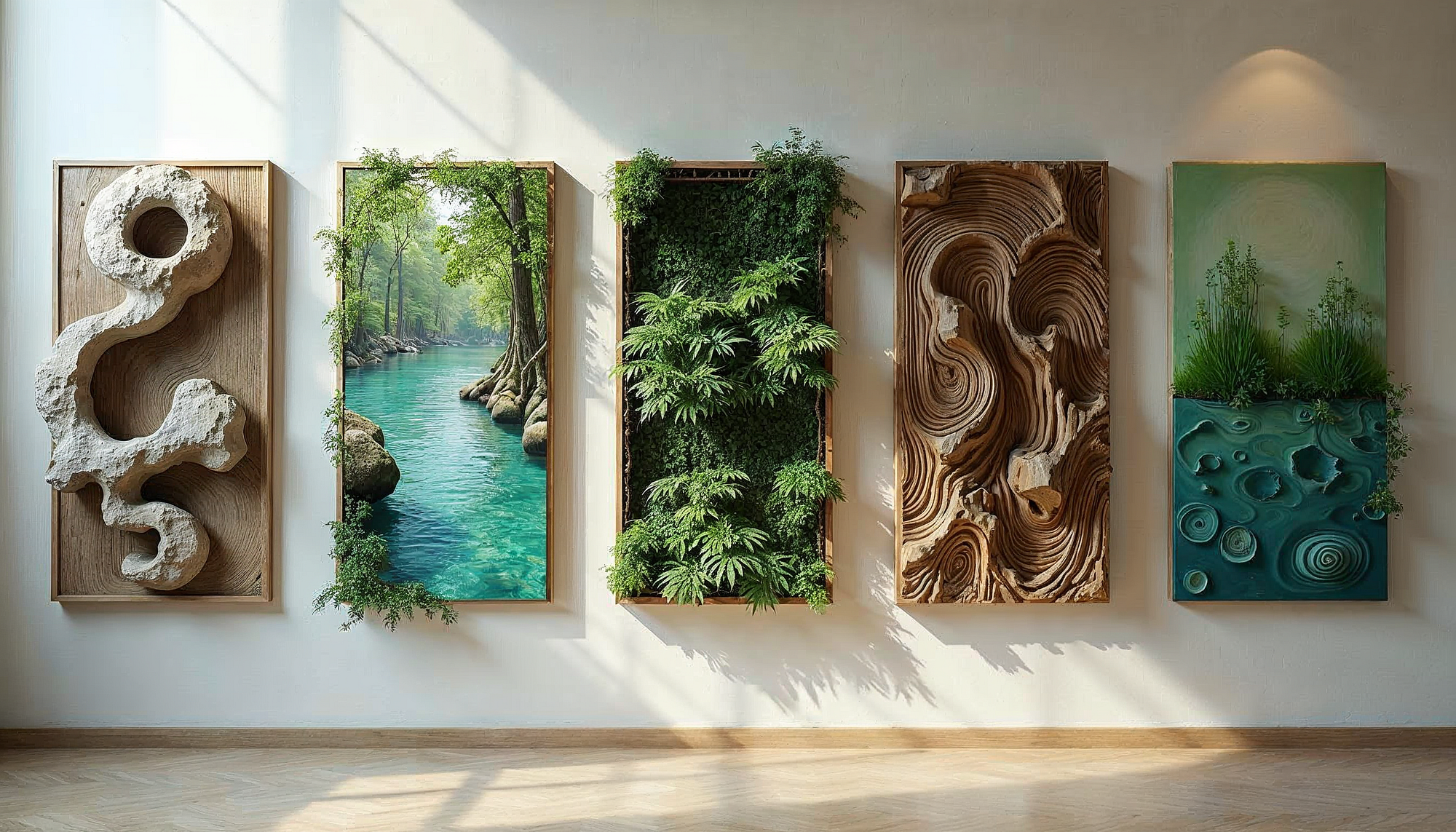
Alongside large installations, another major trend shaping the 2026 art market is biophilic art.
Biophilic design refers to creative practices that incorporate natural forms, organic materials, and living systems into built environments. In the art world, this approach has evolved into works that reconnect viewers with nature.
Artists are increasingly creating installations using:
- living plants
- organic materials
- flowing natural shapes
- water or light elements
- natural textures like stone, clay, and wood
These artworks transform galleries into restorative environments that echo natural ecosystems.
In a fast-paced digital world, collectors are increasingly drawn to art that introduces calm, balance, and natural presence into interior spaces.
Art as a Restorative Environment
The popularity of biophilic art reflects a broader cultural interest in well-being and environmental awareness.
Many collectors now seek artworks that do more than provide visual interest. They want pieces that influence how a space feels.
Large-scale organic installations can:
- soften architectural spaces
- improve emotional well-being
- introduce natural rhythms and textures
- create immersive environments that feel calming and contemplative
This shift is particularly visible in private residences, luxury hotels, corporate headquarters, and museums, where art is increasingly used to shape the psychological atmosphere of a space.
Why Collectors Are Investing in Immersive Art
For collectors, immersive-scale works offer several advantages.
- Architectural Impact
Large installations become focal points that define the identity of a space.
- Cultural Significance
Artists working at an immersive scale are often at the forefront of contemporary artistic innovation.
- Experiential Value
Unlike traditional artworks, immersive installations create memorable experiences for visitors.
These qualities make environmental artworks especially attractive to collectors building private museums or large architectural homes.

The Future of the Art Market: Environment Over Object
The shift toward immersive art signals a deeper transformation in the contemporary art world.
Rather than focusing exclusively on collectible objects, the market is increasingly embracing art as a spatial experience.
Artists are thinking like architects.
Collectors are thinking like curators.
And galleries are becoming experimental environments.
In 2026, the most influential artworks may not hang quietly on a wall.
Instead, they will shape the entire room around them.