
Art Basel is often described as the center of the global contemporary art market, a place where billionaires, museums, and elite collectors compete for the most important works of the year.
But the most interesting deals rarely start there.
As Eva Bron from My Modern Met said, many of the artists who eventually dominate the main Art Basel floor first appear in smaller satellite fairs, especially NADA (New Art Dealers Alliance), where emerging galleries present younger artists at far lower price points.
For collectors who understand the economics of the secondary market, these satellite fairs are where the real opportunities begin.
Buying early, before an artist reaches Art Basel, can mean acquiring works that later multiply in value once demand expands through auctions, institutional acquisitions, and global gallery representation.
In other words, NADA is often the scouting ground for the next blue-chip artists.
Why Satellite Fairs Like NADA Matter
Founded in 2002, NADA was created to support new galleries and emerging artistic voices that might not yet have access to major commercial fairs.
During Miami Art Week, NADA gathers hundreds of artists, galleries, curators, and collectors, becoming one of the most important discovery platforms in contemporary art.
For experienced collectors, this ecosystem creates a predictable trajectory:
- Artist debuts at small galleries or experimental fairs
- Collectors and curators begin early acquisitions
- Institutional attention grows
- Artist moves to larger galleries
- Appearances at Art Basel or Frieze
- Secondary market auctions begin
Understanding this progression is key to identifying artists before the market fully prices them in.

3 Emerging Artists to Watch Before December 2026
Below are three artists whose work aligns with current collecting trends, strong visual identity, gallery momentum, and growing institutional attention.
1. Klara Hosnedlova
Klara Hosnedlova has gained attention for vibrant, experimental works combining painting, sculpture, and unconventional materials.
Her pieces often feature playful forms, layered textures, and bold color compositions that blur the line between painting and object.
Collectors are paying attention for three reasons:
- Her work sits at the intersection of painting and sculptural installation, two highly collectible categories.
- Early gallery support is building steadily.
- Her material experimentation fits current market demand for tactile, handmade works.
Artists working across mediums often attract museums and collectors simultaneously, an important signal for long-term market growth.

2. Sarah Faux
Sarah Faux’s work explores human bodies and fragmented forms, often focusing on intimate details rather than complete figures.
Her paintings emphasize:
- unusual cropping and composition
- emotionally charged color palettes
- psychological tension in the human body
Collectors and curators increasingly gravitate toward artists who reinterpret figurative painting in new ways, and Kemp’s work sits comfortably within this trend.
If her gallery representation continues to expand, she could easily move from smaller fairs to larger international platforms.
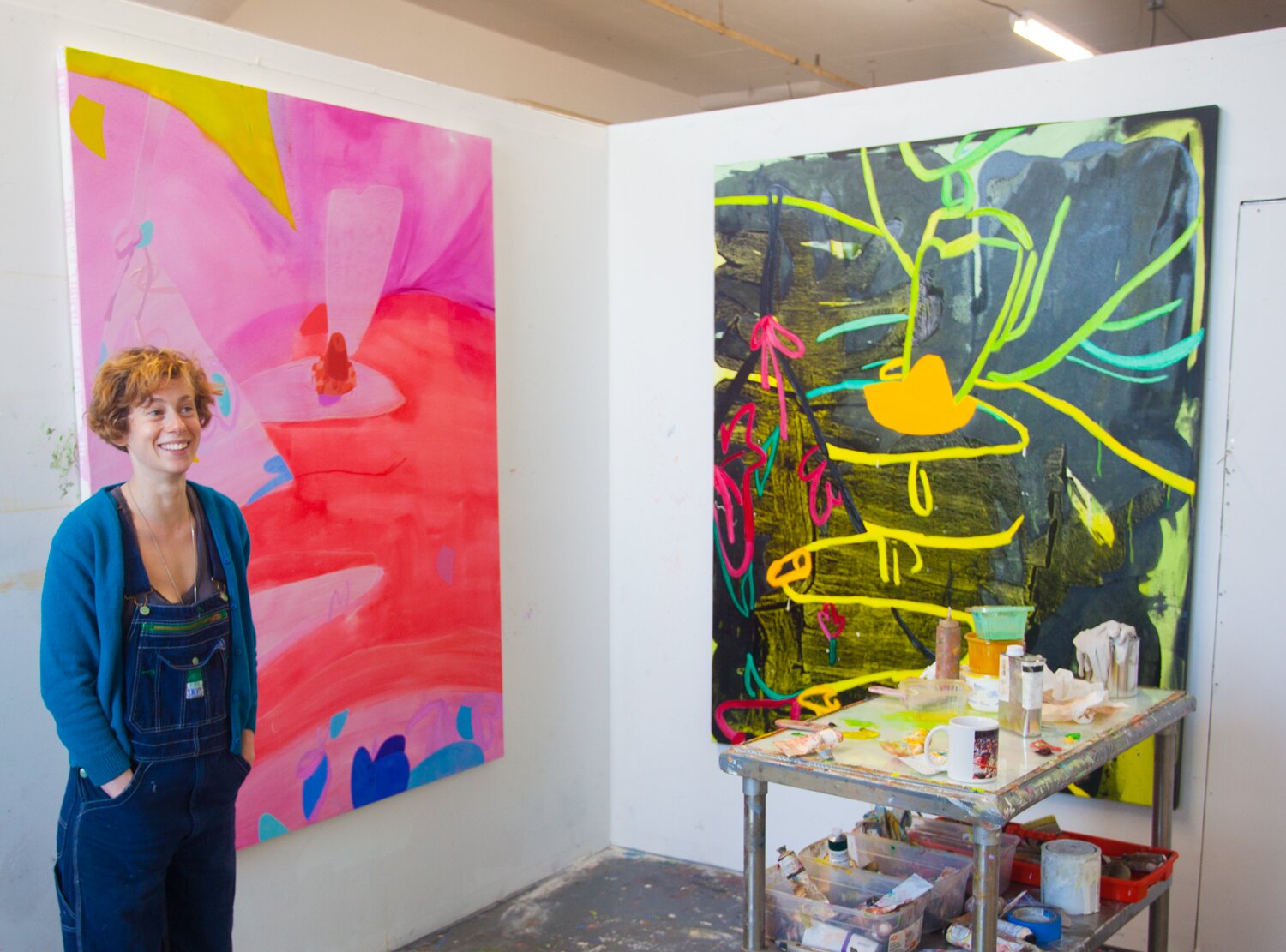
3. Artists From Experimental Global Galleries
Another strong signal in the emerging market is the rise of new international galleries presenting bold young artists.
Recent NADA editions have included first-time participants from cities like Seoul, Paris, and New York, expanding the fair’s global influence.
These galleries often function as incubators, discovering artists before larger commercial galleries sign them.
Collectors who follow these programs closely often discover artists years before they appear at major fairs like Art Basel or Frieze.
Art Fairs vs Auctions: Why Collectors Buy at Art Basel
Understanding the difference between buying at a fair versus buying at auction is crucial for navigating the art market.
Buying at Art Fairs
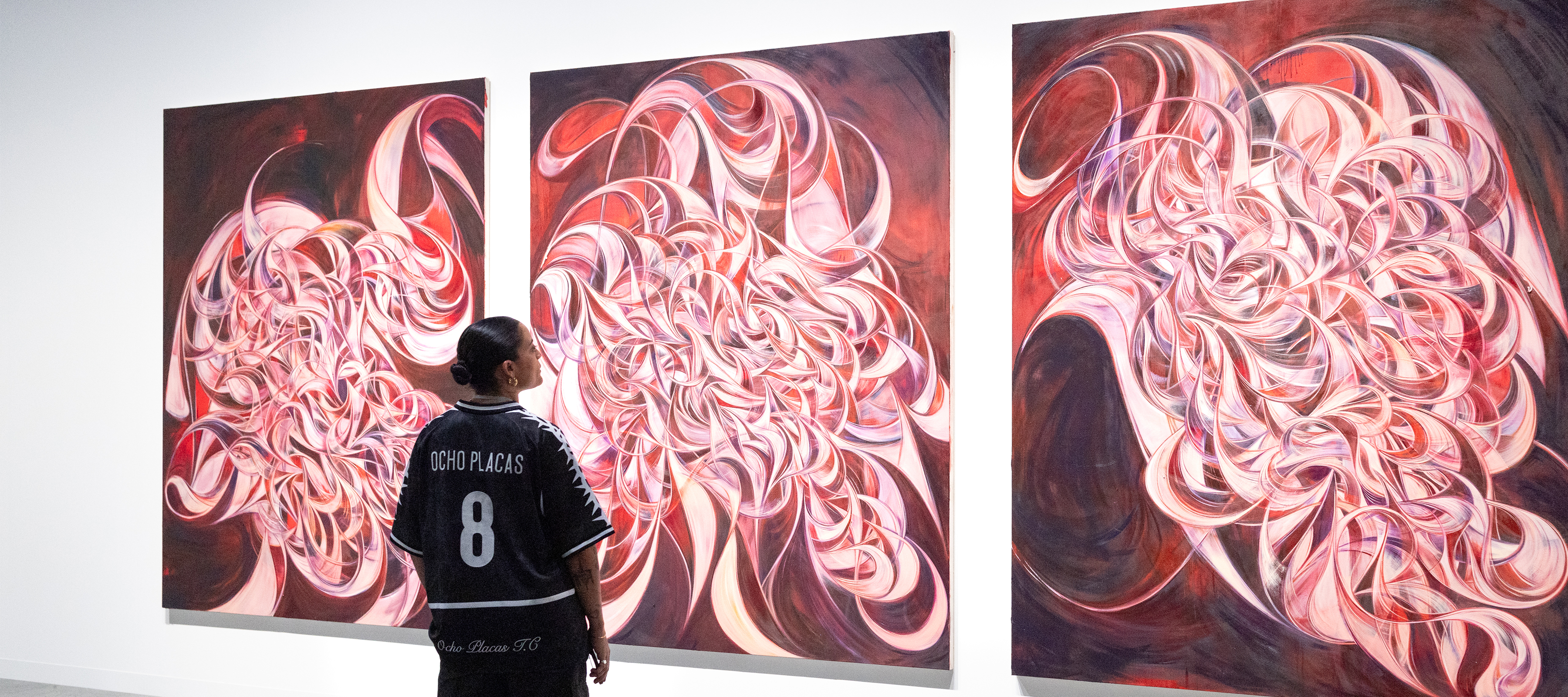
Art fairs function as concentrated marketplaces where collectors can view hundreds of artworks from international galleries in one place, as said by Amara Desai from Serenade.
Advantages include:
- direct relationships with galleries
- access to new works before the secondary market
- early prices for emerging artists
- curated selections across multiple galleries
Many collectors buy at fairs specifically because they want primary market access, works that have never been resold before.
Buying at Auctions
Auction houses like Christie’s and Sotheby’s dominate the secondary market, where artworks are resold publicly through bidding.
Auctions offer:
- price transparency
- historical market data
- access to established blue-chip artists
But by the time a work appears at auction, the artist is often already well established, and prices may have risen dramatically.

Why Smart Collectors Buy Early
The most experienced collectors rarely wait for auctions.
Instead, they focus on early-stage opportunities, where an artist’s market is still forming.
Buying from galleries at fairs like NADA offers three key advantages:
- Lower entry prices
Works may cost a fraction of what they will later achieve at auction. - Direct relationships with galleries
This can lead to access to future works and exhibitions. - Cultural influence
Collectors who support emerging artists often help shape the future direction of the art market.
From Satellite Fair to Global Stage
Art fairs like Art Basel dominate headlines, but the real story often begins somewhere smaller.
Satellite fairs like NADA operate as talent incubators, launching the careers of artists who will later become staples of the international art market.
For collectors who understand the economics of the secondary market, the strategy is simple:
Discover early. Buy early. Hold long.
Because by the time an artist reaches the main floor of Art Basel, the opportunity to buy early has usually already passed.